Primary, secondary and tertiary colors
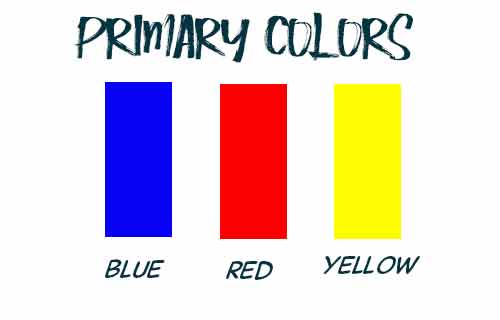
There are 3 primary colors: yellow, blue and red. These colors cannot be obtained by mixing other colors.
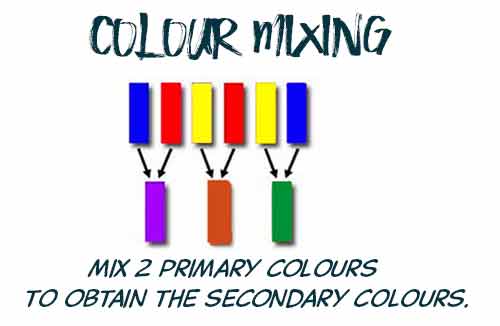
Secondary colors are made by mixing two primary colors.
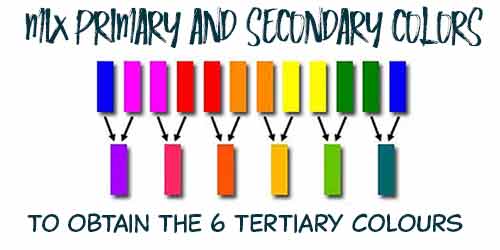
Tertiary colors are made up of a primary color mixed with a secondary color.
Black is made by mixing all the 12 colors (primary, secondary and tertiary colors).
White is the absence of color.
Color wheel
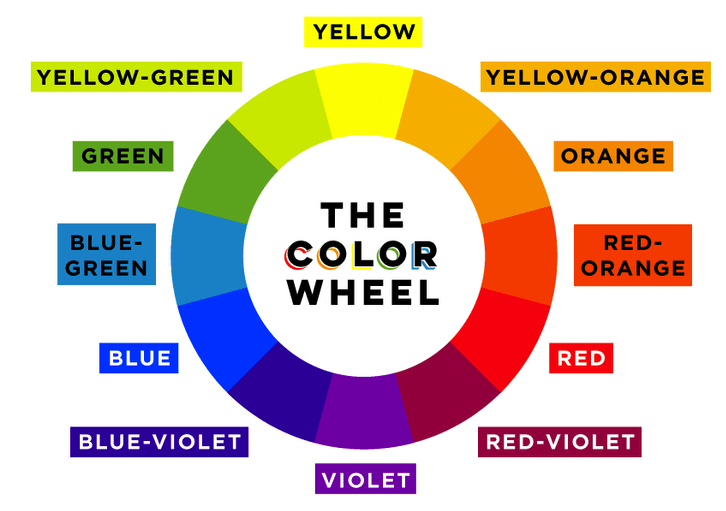
A color wheel shows you how colors relate to each other and visually demonstrates the relationship between primary, secondary and tertiary colours.
Properties of colors
Warm colors:
- Yellow
- Orange
- Red
- Magenta (although many people consider it cold)
Cold colors:
- Green
- Turquoise
- Blue
- Dark Blue
Luminosity:
Luminosity is when a color is very bright. This means that it contains a lot of yellow in its composition.
Saturated colors:
Saturated colors are the most vivid, containing no black or white.
Desaturated colors:
If you add white or black to a color then this color becomes more desaturated (or duller). If you want the color to be more saturated, you add yellow.
Tips for painting miniatures
When highlighting a miniature use colors that contain yellow. By using colors that contain a lot of white you will not highlight but instead desaturate the color.
To add shadow, avoid black, since it is the same situation. If you add black you’ll desaturate the color. For shading you’ll use the opposite color (see color wheel) to the color you are using. For example if you want to shade a red color you can use green or turquoise. By doing this you’ll manage to darken the color without losing its vividness.